
How to Drain a Hot Water Heater: Complete Step-by-Step Guide for 2026

Sediment buildup in water heaters reduces efficiency, increases energy costs, and shortens appliance lifespan. Yet many homeowners never perform this essential maintenance task simply because they don’t know how to drain a water heater properly or why it matters.
Regular draining removes mineral deposits that accumulate at the tank bottom, restoring heating efficiency and preventing premature failure. This comprehensive guide walks through the complete process, covering different heater types and addressing common challenges that arise during maintenance.
Why You Need to Drain Your Hot Water Heater
Sediment Accumulation Problems
Minerals in water—primarily calcium and magnesium—settle at tank bottoms over time. This sediment layer insulates water from heating elements or burners, forcing systems to work harder and longer to reach desired temperatures.
The buildup also creates pockets where corrosion accelerates, eventually leading to tank leaks. In severe cases, sediment hardens into a concrete-like mass that’s extremely difficult to remove and may require professional intervention or tank replacement.
Efficiency and Cost Impact
A water heater struggling against sediment buildup consumes significantly more energy. Studies show that even moderate sediment accumulation can increase heating costs by 10-15% annually. For households already facing high energy bills, this represents a substantial, unnecessary expense.
Beyond energy waste, sediment reduces hot water availability. The layer displaces actual water volume, meaning a 50-gallon tank with heavy sediment might effectively hold only 40-45 gallons of usable hot water.
Recommended Maintenance Schedule
Most manufacturers recommend draining water heaters annually, though frequency should increase in areas with hard water. Homeowners noticing rumbling sounds, reduced hot water supply, or longer heating times should drain their tanks immediately, regardless of the last service date.
RV owners face different considerations. Learning how to drainana RV water heater becomes essential before winterizing, as freezing water can crack tanks. Many RVers drain and flush their systems before and after each camping season.
How-To Safely Drain A Water Heater
Safety Precautions
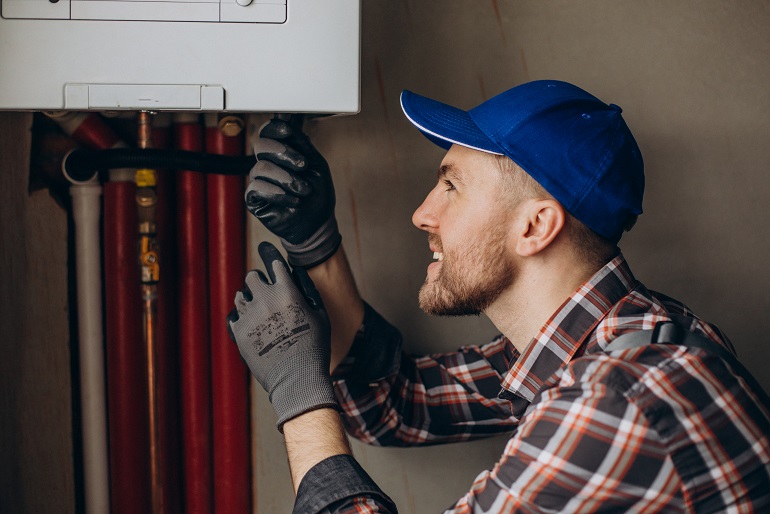
Before beginning any water heater maintenance, prioritize safety. Hot water can cause severe burns, so allowing adequate cooling time is essential. Shutting off power or gas and waiting several hours—preferably overnight—ensures safe working conditions.
Wear protective gear, including gloves and safety glasses. Water draining from tanks can be scalding hot initially and may contain sediment particles. Having towels and a bucket nearby helps manage unexpected spills or leaks.
Required Tools and Materials
Gather these items before starting:
- Garden hose (length sufficient to reach drain location)
- Screwdriver or wrench forthe drain valve
- Bucket for initial drainage
- Channel locks or an adjustable wrench
- Optional: Wet/dry vacuum for stubborn sediment
- Optional: Vinegar for flushing (hard water areas)
Step-by-Step Process
Step 1: Turn Off Power or Gas Supply
For electric heaters, switch off the circuit breaker controlling the unit. Gas heaters require turning the gas valve to the “pilot” or “off” position. Never skip this step—it prevents dangerous situations and element damage.
Step 2: Shut Off Cold Water Supply
Locate the cold water inlet valve (typically above the heater with a blue handle) and turn it clockwise until fully closed. This prevents new water from entering while you’re draining the tank.
Step 3: Open Hot Water Faucet
Open a hot water faucet somewhere in the house, preferably on an upper floor. This breaks the vacuum and allows air into the system, enabling water to drain smoothly. Leave this faucet open throughout the process.
Step 4: Attach Drainage Hose
Connect a garden hose to the drain valve at the tank bottom. Route the hose to an appropriate drainage location—outside, into a floor drain, or into a large container. Ensure the hose runs downhill for proper drainage.
Step 5: Open Drain Valve
Slowly open the drain valve by turning it counterclockwise. Water should begin flowing through the hose. If drainage is slow or nonexistent, sediment may be blocking the valve—a common issue addressed in the troubleshooting section.
Step 6: Monitor Drainage
Watch the water flowing from the hose. Initially, it may appear rusty or murky due to sediment. As the tank empties, the flow should become clearer. The process typically takes 20-60 minutes, depending on tank size and sediment levels.
Step 7: Flush Remaining Sediment
Once the tank is empty, briefly turn on the cold water supply to stir up remaining sediment. Let this water drain out, repeating several times untilthe drainage runs clear. This flushing step removes sediment that settled in areas the initial drain didn’t reach.
Step 8: Close and Refill
Close the drain valve, remove the hose, and fully open the cold water supply. As the tank refills, keep the hot water faucet open to release air from the system. Once water flows steadily from the faucet, the tank is full.
Step 9: Restore Power or Gas
For electric heaters, verify the tank is full before restoring power—operating heating elements without water causes immediate damage. Turn the circuit breaker back on. For gas heaters, relight the pilot following the manufacturer’s instructions.
How to Drain a Hot Water Heater Quickly
Speed Considerations
Homeowners needing to drain a water heater quickly should understand that rushing risks incomplete sediment removal. However, situations like emergency repairs sometimes demand faster drainage.
The quickest method involves using both the drain valve and opening the temperature and pressure relief (T&P) valve simultaneously. This creates dual exit points, significantly reducing drainage time. However, water exiting the T&P valve can spray forcefully, creating a mess and potential safety issues.
How to Drain a Hot Water Heater Fast Without Compromise
Even when working quickly, proper technique matters. Ensure adequate drainage routing to handle increased flow from multiple exit points. Have extra towels ready and maintain awareness of hot water hazards.
Remember that speed shouldn’t replace thoroughness. If time allows, performing a proper flush after rapid drainage ensures sediment removal despite the accelerated process.
How to Drain a Gas Hot Water Heater
Gas-Specific Considerations
Learning how to drain a water heater gas model involves additional safety steps beyond electric versions. Gas appliances require turning off the gas supply and ensuring proper ventilation during the process.
Locate the gas control valve and rotate it to “pilot” or “off” depending on the model. Never attempt to drain a gas heater without first securing the gas supply. Carbon monoxide risks, though minimal during this procedure, still warrant caution.
Pilot Light Management
After draining and refilling, relighting the pilot requires following manufacturer-specific instructions. Most modern gas heaters have ignition buttons or switches, while older models may require manual lighting with a long lighter.
Wait five minutes after turning off the gas before attempting to relight. This allows any accumulated gas to dissipate. If pilot lighting attempts fail after three tries, contact a professional to avoid gas accumulation hazards.
How to Drain a Hot Water Heater Electric
Electric Model Procedures
Understanding how to drain a water heater, electric style,e follows the general process with emphasis on electrical safety. The circuit breaker must be off before beginning—never attempt drainage with power connected.
Electric heaters often accumulate more sediment around heating elements. When learning how to draian a electrot water heater quickly, expect potentially longer flushing cycles to remove buildup from element areas.
Element Protection
Electric heating elements must never operate without full water submersion. After refilling the tank, verify complete filling before restoring power. Running elements dry causes immediate burnout, requiring costly replacement.
Some electric models feature two elements—upper and lower. Sediment particularly affects lower elements, making thorough drainage and flushing especially important for maintaining these components.
How to Drain Sediment from a Hot Water Heater
Heavy Sediment Challenges
Discovering how to drain a water heater with sediment proves more challenging than routine maintenance. Hardened deposits can block drain valves, requiring patience and sometimes creative solutions.
When encountering how to drain a water heater full of sediment, the standard process may fail initially. Sediment chunks can lodge in the drain valve, stopping flow completely. This common issue frustrates many homeowners attempting DIY maintenance.
Clearing Blockages
If drainage stops or never starts due to sediment, try these techniques:
Method 1: Pressure Flush – With the drain valve open, briefly open the cold water supply. The sudden pressure surge can dislodge sediment blocking the valve. Repeat several times.
Method 2: Valve Manipulation – Repeatedly open and close the drain valve to break up sediment. This back-and-forth action sometimes clears minor blockages.
Method 3: Vacuum Assistance – Disconnect the hose and use a wet/dry vacuum to create suction at the drain valve. This powerful suction can pull out stubborn sediment chunks.
Method 4: Professional Help – Severely clogged valves sometimes require professional intervention. Technicians have specialized tools and can replace faulty drain valves if necessary.
Brand-Specific Instructions
How to Drain a Rheem Hot Water Heater
Rheem models follow standard draining procedures, with their drain valves typically located at the tank’s lower right front. Understanding how to drain a Rheem water heater involves the same safety steps and process outlined earlier.
Some Rheem models feature slightly different drain valve designs. Consult the owner’s manual for specific details, though the general process remains consistent across residential models.
How to Drain a Whirlpool Hot Water Heater
Learning how to drain a Whirlpool water heater mirrors the standard process. Whirlpool’s residential models use conventional drain valve placement and design, making them straightforward for DIY maintenance.
Whirlpool recommends annual draining for their units, with increased frequency in hard water areas. Their manuals provide detailed model-specific guidance available on their website.
Special Situations
How to Drain and Flush a Hot Water Heater
Complete flushing goes beyond simple draining. After emptying the tank, the flushing process involves repeatedly refilling partially and draining to remove all sediment traces. This thorough approach extends tank life significantly.
For hard water areas, adding white vinegar during flushing helps dissolve mineral deposits. Fill the tank with several gallons of water mixed with 2-3 gallons of vinegar, let it sit for a few hours, then drain completely.
Draining Without Floor Drain Access
Homeowners without convenient floor drains face additional challenges. The hose must reach an exterior location, sump pump basin, or large containers. Ensure adequate hose length and plan the drainage route before starting.
Using multiple five-gallon buckets works but requires monitoring to prevent overflow. This labor-intensive approach demands patience but enables maintenance even in difficult drainage situations.
RV Water Heater Maintenance
RV systems require different considerations. How to drain an RV water heater typically involves smaller six-gallon tanks with unique valve systems. Many RV heaters use removable drain plugs rather than traditional valves.
Winterization makes the RV heater draining critical. Leaving water in RV heaters during freezing temperatures causes expensive damage. RV owners should drain their systems before storage and when traveling to cold climates.
Troubleshooting Common Issues
Hot Water Heater Won’t Drain
When a water heater won’t drain despite following proper procedures, sediment blockage is the most likely culprit. Age, water hardness, and infrequent maintenance contribute to this frustrating problem.
Beyond sediment, faulty drain valves sometimes fail mechanically. Plastic valves, common on many residential heaters, can break internally. In these cases, valve replacement becomes necessary before successful drainage.
Slow Drainage
Partial blockages cause slow drainage rather than complete stoppage. While frustrating, slow drainage still accomplishes the goal given sufficient time. How long it takes to drain a water heater depends onth blockage.
Standard 40-50 gallon tanks typically drain in 20-45 minutes under normal conditions. Sediment issues can extend this to several hours. Patience during slow drainage often succeeds where forced solutions fail.
Ongoing Leaks After Draining
If the drain valve leaks after closing, sediment may be preventing proper sealing. Sometimes, opening and closing the valve several times clears debris, allowing proper closure.
Persistent leaks indicate valve failure. Replacement drain valves cost $10-20 and represent worthwhile investments for continued maintenance capability. Some homeowners prefer upgrading to ball valves offering better sediment resistance.
Maintenance Cost and Frequency
DIY vs. Professional Service
DIY water heater draining costs virtually nothing beyond time investment. Professional service typically runs $100-200, though prices vary by location and company.
The savings from DIY maintenance accumulate significantly over a water heater’s 10-15 year lifespan. Annual professional service totaling $1,500-3,000 versus minimal DIY costs makes learning this skill financially worthwhile.
How Often to Drain
Annual draining suffices for most situations, though hard water areas benefit from semi-annual maintenance. Signs indicating immediate drainage needs include:
- Rumbling or popping sounds during heating
- Reduced hot water availability
- Longer recovery times between uses
- Discolored hot water
- Fluctuating water temperatures
Time Investment
How long does it take to drain a hot water heater 50 gallon model? Including preparation and cleanup, plan for 60-90 minutes for first-time attempts. Experience reduces this to 30-45 minutes for routine maintenance.
How long to drain a water heater completely depends on factors like sediment levels, water pressure, and hose diameter. Most homeowners find the time investment minimal compared to the benefits gained.
Frequently Asked Questions
How do I drain my water heater myself?
To drain your water heater yourself, turn off the power/gas and cold water supply, connect a garden hose to the drain valve, open a hot water faucet in the house, then open the drain valve. Let water flow until clear, flush with fresh water several times, close the valve, refill the tank, and restore power. The entire process takes 45-90 minutes.
Are you supposed to drain your water heater?
Yes, manufacturers recommend draining water heaters annually to remove sediment buildup that reduces efficiency and shortens tank lifespan. Hard water areas may require more frequent draining (every 6 months). Regular maintenance prevents problems like reduced hot water capacity, increased energy costs, and premature tank failure.
How long does it take to fully drain a water heater?
A standard 40-50-gallon water heater takes 20-45 minutes to fully drain under normal conditions. Sediment buildup can extend drainage to 1-2 hours. Factors affecting drainage time include tank size, sediment levels, water pressure, drain valve condition, and hose diameter. Larger tanks naturally take longer than smaller ones.
How to drain a water heater with no floor drain?
Without a floor drain, run a garden hose from the drain valve to an outdoor location, sump pump basin, or large containers. Ensure the hose runs continuously downhill for proper drainage. If using containers, monitor closely to prevent overflow. Multiple five-gallon buckets work but require frequent emptying during the process.
How much does it cost to drain a water heater?
DIY water heater draining costs essentially nothing beyond the minimal investment in a garden hose. Professional draining service typically costs $100-200, depending on location and service provider. Annual DIY maintenance over a water heater’s 10-15 year lifespan saves approximately $1,500-3,000 compared to professional service costs.
Conclusion
Understanding how to drain a water heater represents essential homeowner knowledge that saves money and extends appliance life. Whether tackling how to drain a gas water heater, learning how to drain a water heater electric model, or figuring out how to drain sediment from a water heater, the process remains straightforward with proper preparation.
Regular maintenance prevents the costly problems that plague neglected water heaters. Investing an hour annually to drain and flush the system pays dividends through improved efficiency, longer equipment life, and consistent hot water availability.
As water heater technology advances, maintenance fundamentals remain constant. Future smart water heaters may alert homeowners when draining becomes necessary, but the actual process will likely stay similar to today’s methods. Homeowners who master how to drain a water heater quickly and properly position themselves to maximize their investment, regardless of future technological changes.
