Top 5 Security Companies in the USA: 2026 Rankings and Buyer’s Guide
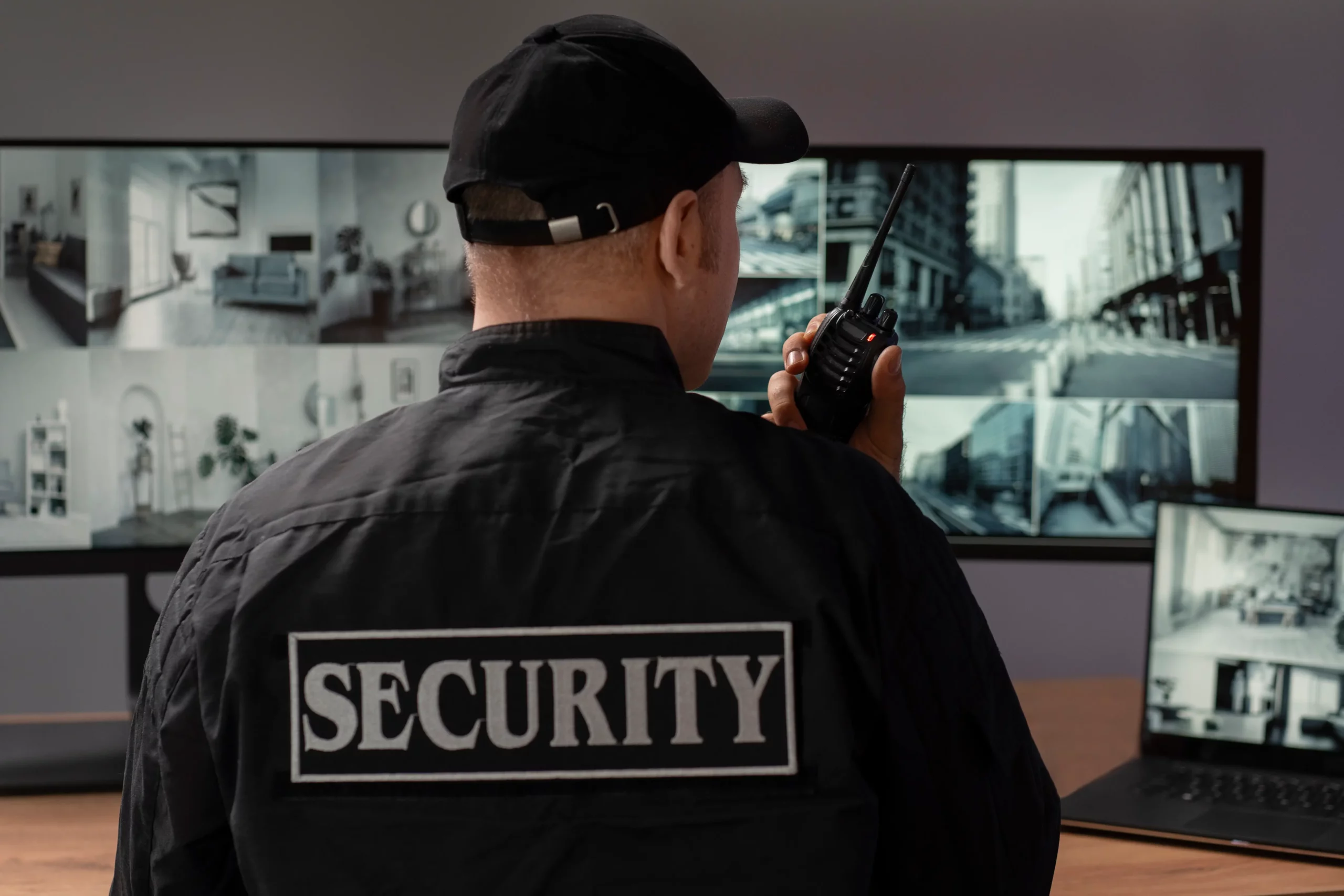
Choosing a security provider is one of those decisions that only feels urgent after something goes wrong. Whether you’re protecting a corporate campus, a retail chain, a construction site, or a large event, the right security partner can mean the difference between a minor incident and a major loss.
The United States security guard and patrol industry is a multi-billion-dollar market, and a handful of companies dominate it through sheer scale, technology investment, and decades of operational experience. This guide breaks down the top 5 security companies in the USA for 2026, what makes each one stand out, and how to choose the right fit for your specific needs.
How These Rankings Were Determined
Before diving into the list, it helps to know what actually separates a “top” security company from the rest of the pack. The companies featured here were evaluated based on:
- Scale and reach — number of employees, branch offices, and geographic coverage across the U.S.
- Revenue and financial stability — a strong indicator of long-term reliability and investment capacity
- Service breadth — whether the company offers manned guarding, mobile patrols, electronic security, and technology integration
- Industry reputation — client base, contract history, and reviews from businesses that have used their services
- Innovation — investment in AI-driven monitoring, smart building integration, and modern security technology
With that framework in mind, here are the five companies leading the U.S. security industry right now.
1. Allied Universal
Allied Universal is the largest contract security provider in the United States and one of the largest in the world. <cite index=”12-1″>The company completed a $490 million acquisition spree in 2025 that expanded its footprint into cybersecurity and smart buildings, leveraging a global workforce of 800,000 employees to outpace rivals across North America, Europe, and Asia Pacific.</cite>
Why they rank #1:
- Massive national footprint with coverage in nearly every major U.S. market
- Broad service menu spanning on-site guarding, mobile patrols, executive protection, and integrated technology
- Trusted by major corporate clients, including large tech and financial institutions
- Continued aggressive expansion into smart building and cybersecurity services, positioning the company as a one-stop security partner
Best for: Large enterprises, multi-location businesses, and organizations that need standardized security procedures across dozens or hundreds of sites.
Something to watch for: Because of its size, service quality can vary between local branches. Businesses considering Allied Universal should vet the specific regional management team and set clear service-level expectations up front.
2. Securitas
Securitas is a Swedish-founded security giant with a long, established history in the American market and a growing emphasis on technology-driven solutions. <cite index=”12-1″>In 2025, Securitas Technology acquired Sonitrol Ft. Lauderdale and Level 5 Security Group to enhance its client-centric solutions and expand its presence across North America, and the company’s trailing twelve-month revenue grew to $16.87 billion in December 2025, up from $15.32 billion in September 2025 — a 10.1% increase.</cite> <cite index=”12-1″>With nearly nine decades of experience and 350,000 employees across 47 markets</cite>, Securitas combines old-school operational discipline with modern remote monitoring capabilities.
Why they rank #2:
- Strong reputation for proactive, risk-anticipating security strategies rather than purely reactive guarding
- Blends traditional manned guarding with electronic security and remote monitoring
- Trusted by well-known corporate brands for high-stakes environments
- Steady revenue growth reflecting continued client trust and expansion
Best for: Organizations that want a hybrid approach — a mix of physical guards and integrated security technology — backed by a company with a long operating history.
Something to watch for: As with any large national provider, consistency across branches depends heavily on local management, so it’s worth asking specific questions about officer training standards and incident response protocols during the vetting process.
3. GardaWorld
GardaWorld has built a reputation as the largest privately-owned security services firm in the world, with a growing presence in government and international contracts. <cite index=”12-1″>In 2025, the company secured a $210 million government contract in Saudi Arabia for integrated cybersecurity and event protection, and closed a recapitalization transaction valuing the business at C$14 billion, reinforcing its position as the world’s largest privately-owned security services firm.</cite>
Why they rank #3:
- Strong track record with government and large-scale event security contracts
- Broad coverage across major U.S. metro areas, including guard services, mobile patrols, and custom security plans
- Continued investment in cybersecurity and integrated protection services, not just traditional guarding
- Privately held structure, which can allow for more flexible client agreements compared to publicly traded competitors
Best for: Businesses and municipalities that need large-scale event security, government-adjacent contracts, or mobile patrol coverage across a wide service area.
4. Inter-Con Security Systems
Inter-Con Security Systems is a Pasadena, California-based firm that has quietly become one of the most respected names in the industry, particularly for government, aviation, and high-security commercial contracts. While smaller in overall employee count than the top three national giants, Inter-Con has built its reputation on specialized, high-compliance security operations rather than sheer volume.
Why they rank #4:
- Strong specialization in government, aviation, and critical infrastructure security
- Reputation for rigorous officer training and vetting standards
- Long operating history with a focus on high-security, high-compliance environments
- Family-owned structure that has allowed for consistent leadership and operational philosophy over decades
Best for: Organizations operating in regulated or high-security sectors — airports, embassies, government facilities, and critical infrastructure — where compliance and specialized training matter as much as scale.

5. Brink’s
Brink’s is best known for cash and valuables management, but its security services extend well beyond armored transport. The company has a long history in secure logistics, ATM servicing, and high-value asset protection, making it a distinct entry on this list compared to the manned-guarding-focused competitors above.
Why they rank #5:
- Deep specialization in cash logistics, armored transport, and valuables protection
- Long-standing brand recognition and trust across the banking and retail sectors
- Global network supporting secure transport and storage for high-value assets
- A useful option for businesses whose primary security need is asset and cash protection rather than general guarding
Best for: Banks, retailers, casinos, and any business that needs secure transport, cash management, or high-value asset protection rather than traditional on-site guarding.
Quick Comparison Table
| Rank | Company | Known For | Best Fit |
|---|---|---|---|
| 1 | Allied Universal | Scale, broad service range, tech integration | Large enterprises, multi-site businesses |
| 2 | Securitas | Proactive strategy, hybrid tech + guarding | Corporate campuses, high-risk industries |
| 3 | GardaWorld | Government contracts, event security | Large events, government/municipal clients |
| 4 | Inter-Con Security Systems | High-compliance, specialized training | Airports, government, critical infrastructure |
| 5 | Brink’s | Cash logistics, valuables protection | Banks, retail, casinos |
How to Choose the Right Security Company for Your Needs
Bigger isn’t automatically better. The largest national providers offer scale and resources, but a smaller, more specialized firm might actually deliver better service for your specific situation. Here’s what to evaluate before signing a contract:
1. Match the Company’s Specialty to Your Risk Profile
A company known for event security may not be the best fit for a manufacturing facility that needs 24/7 access control and mobile patrols. Look for a provider whose core strength lines up with your actual risk exposure.
2. Ask About Officer Training and Vetting
Request specifics on background checks, licensing, and training standards — especially whether officers have military or law enforcement backgrounds. This is one of the clearest indicators of service quality.
3. Evaluate Their Proactive vs. Reactive Approach
During the consultation process, ask the provider to walk through how they assess vulnerabilities, plan patrol routes, and respond to different types of incidents. A strong security partner should be able to explain how their approach deters threats, not just responds to them after the fact.
4. Check References From Similar Industries
A security company that has successfully protected large financial institutions or tech campuses has demonstrated the operational maturity needed for high-stakes environments. Ask for references or case studies from businesses similar to yours.
5. Understand Local Branch Management
With large national firms, the quality of day-to-day service often comes down to the local branch, not the corporate brand. Establish a direct relationship with local management and set clear expectations for reporting, supervision, and incident response.
6. Compare Technology Integration
Modern security isn’t just about placing a guard at the door. Ask whether the company uses data analysis, remote monitoring, or smart building integration to refine their security plans and improve response times.
Key Takeaways
- Allied Universal, Securitas, and GardaWorld dominate the U.S. security guard industry by scale, revenue, and service breadth, making them strong choices for large or multi-location businesses.
- Inter-Con Security Systems stands out for specialized, high-compliance environments like airports and government facilities.
- Brink’s fills a different niche entirely, focusing on cash logistics and valuables protection rather than general manned guarding.
- The “best” security company depends heavily on your specific risk profile, industry, and scale — not just brand recognition.
- Always vet officer training standards, local branch management, and technology integration before signing a contract, regardless of which provider you choose.
Final Thoughts
The top five security companies in the USA each bring something different to the table — from Allied Universal’s massive national scale to Brink’s specialized cash logistics network. Rather than defaulting to the biggest name, the smartest approach is matching a provider’s core strengths to your actual security needs.
Take the time to ask detailed questions about training, technology, and local management before making a decision. A security partnership is a long-term relationship built on trust, and the right fit will make a measurable difference in how safe your people, property, and assets actually are.
FAQ
Which company is the largest security provider in the USA?
Allied Universal is currently the largest contract security provider in the United States, with a massive national workforce and a broad range of services spanning manned guarding, mobile patrols, and technology-integrated security solutions.
What’s the difference between Securitas and Allied Universal?
Both are large national providers with similar service offerings, but Securitas has built its reputation around proactive, technology-blended security strategies with a long operating history, while Allied Universal has grown rapidly through acquisitions and offers one of the broadest service menus in the industry, including recent expansion into cybersecurity and smart buildings.
Is a bigger security company always the better choice?
Not necessarily. Large national firms offer scale and resources, but service consistency often depends on local branch management. Smaller, specialized firms can sometimes provide more responsive, tailored service for specific industries or risk profiles.
What should I look for when choosing a security company?
Focus on officer training and licensing standards, the company’s approach to proactive threat deterrence (not just reactive response), references from similar industries, and how well their technology and reporting capabilities match your needs.
Do these top security companies only offer on-site guards?
No. Most of the top providers, including Allied Universal, Securitas, and GardaWorld, now offer integrated services that combine manned guarding with electronic security, remote monitoring, mobile patrols, and in some cases cybersecurity solutions.