
Pista and Pistachio: Understanding the Difference, Meaning, and Health Benefits

The terms pista and pistachio are commonly used in kitchens, markets, and food discussions across the world. Many people wonder whether they are different foods or simply different names for the same nut. This confusion appears frequently in everyday conversations, health articles, and even recipe labels.
Understanding the difference between pista and pistachio is not just about language—it also helps people make informed choices about nutrition, health benefits, and daily consumption. This article explains the topic clearly, using simple language and real-world context, while exploring health value, usage, and cultural meaning.
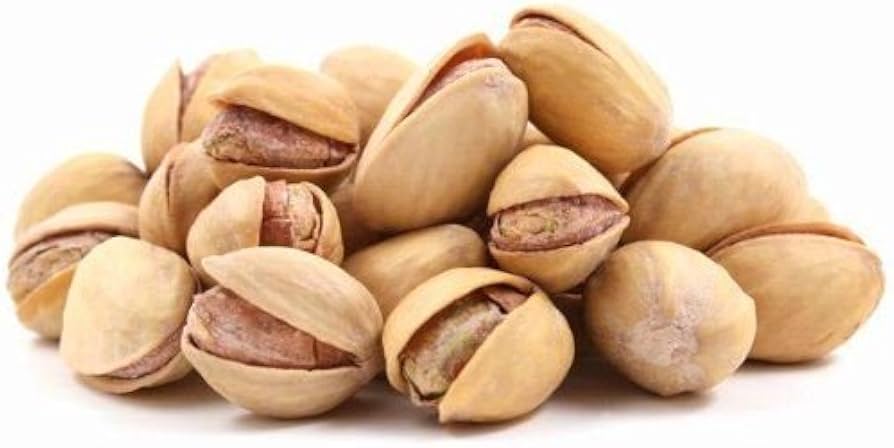
The Linguistic Difference: Pista vs Pistachio
The main distinction between pista and pistachio is linguistic, not botanical. Both words refer to the same nut, which comes from the Pistacia vera tree.
- Pistachio is the English name commonly used in the United States and many Western countries.
- Pista is a shortened or regional term widely used in South Asia, the Middle East, and parts of Central Asia.
In simple terms, pista is a local pronunciation or adaptation of the word pistachio. There is no difference in the nut itself.
Pista and Pistachio Difference Explained Simply
When people search for pista and pistachio, they are usually expecting a comparison between two separate foods. However, the difference lies in usage and pronunciation rather than nutrition or origin.
Key Points at a Glance
- Same nut, same tree
- Different names in different regions
- Identical health benefits and nutritional content
This makes the question “Is pista the same?” easy to answer: yes, they are the same.
Salty Pistachio (Pista پستہ) in Food Culture
Salty pistachios, often called pista پستہ, are a popular snack across many cultures. They are roasted, lightly salted, and eaten as a snack or added to dishes.
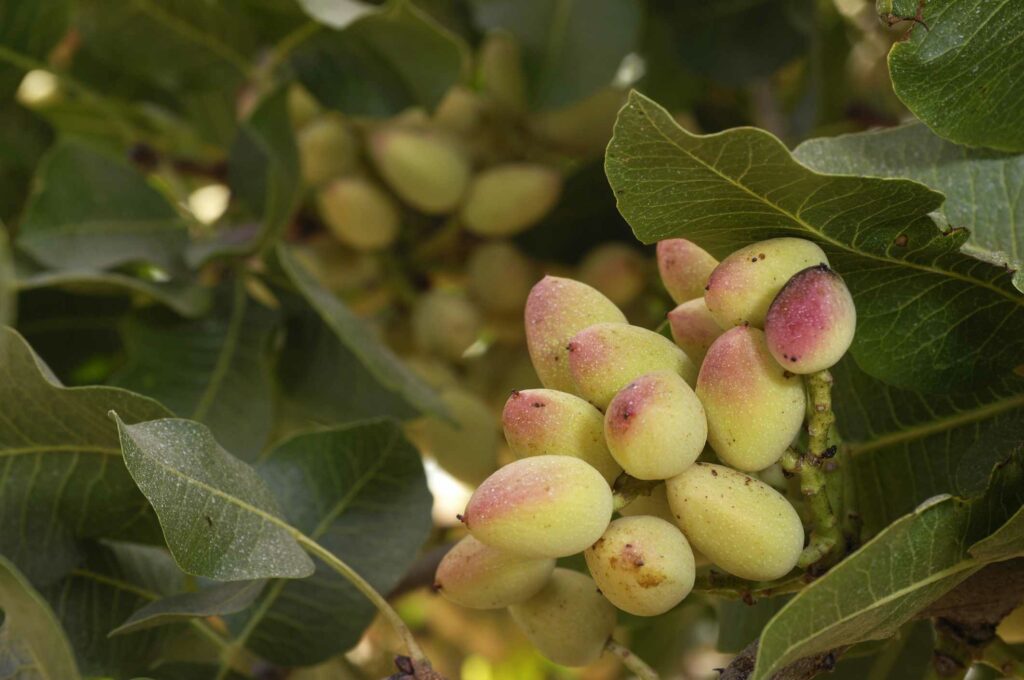
In countries like Iran, pistachios are deeply tied to tradition and hospitality. Iran has been one of the world’s leading producers of pistachios for many years, with pistachio trees thriving in dry climates.
Are Pista and Pistachio the Same?
Yes, pistachio and pista are the same nut. The confusion happens because:
- Different regions prefer different words
- Recipes and packaging use local terms
- Pronunciation changes across languages
Whether someone eats pistachios in India or pistachios in the United States, they are consuming the same food.
Nutritional Profile of Pistachios (Pista)
Pistachios are among the most nutritious nuts available. They are packed with essential nutrients and are considered a great source of plant-based protein.
Key Nutrients in Pistachios
- Protein for muscle health
- Fiber for digestion
- Healthy fats that support heart health
- Antioxidants that protect cells
They also contain fatty acids, magnesium, and potassium, which help regulate blood pressure and support blood vessel health.
Health Benefits of Regular Pistachio Consumption
The health benefits of pistachios are well-documented. Including them in a balanced diet may support overall wellness.
Major Health Benefits
- Supports heart health by reducing cholesterol
- Helps regulate blood sugar levels due to its low glycemic index
- Aids in weight loss when eaten in moderation
- Supports eye health and may reduce the risk of macular degeneration
Pistachios also help with blood sugar regulation, making them suitable for people monitoring sugar intake.
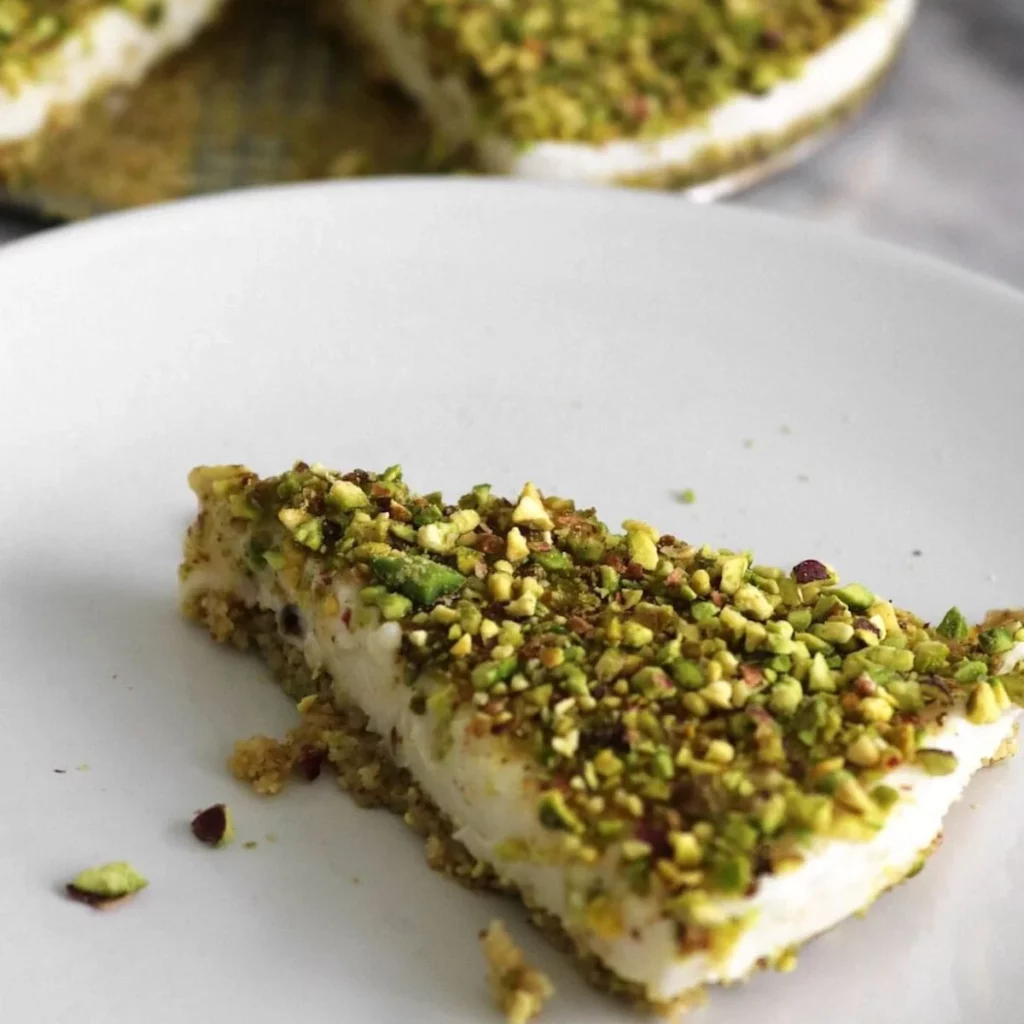
How to Eat Pista During Pregnancy?
Many people ask: How to eat pistachios during pregnancy?
Pistachios can be a healthy snack during pregnancy when consumed in moderation. They provide protein, healthy fats, and fiber, which support energy and digestion.
Safe Tips
- Eat unsalted or lightly salted pistachios
- Limit portion size to avoid excess calories
- Avoid pistachios if there is a nut allergy
As with any food, balance is key.
Is Pista Short for Pistachio?
Yes, pista is essentially a short form of pistachio. Over time, the word evolved differently in various languages.
The original word has roots in ancient languages and traveled across regions through trade. Today, pista is simply the commonly spoken name in many countries.
Can I Eat 5 Pitas Every Day?
Eating five pistas a day is generally safe and healthy for most people. In fact, regular pistachio consumption in small amounts may support:
- Heart disease prevention
- Blood pressure control
- Better cholesterol levels
However, eating too many nuts can increase calorie intake, so moderation is important.
Pistachio Trees and Global Production
Pistachios grow on pistachio trees, which require specific climate conditions. These trees are native to Central Asia and parts of the Middle East.
Today, major production regions include:
- Iran
- United States
- Parts of Central Asia
In the United States, pistachio farming has expanded significantly over the years, especially in dry agricultural regions.
Pista in Powder and Dessert Form
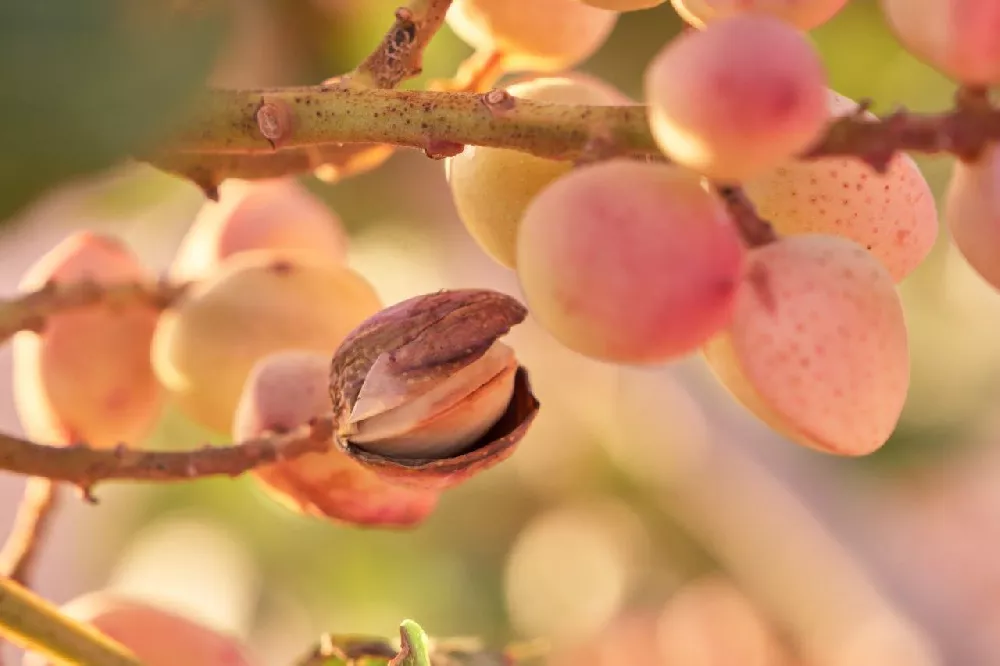
Pista is often used as a powder in desserts, ice creams, and sweets. The green food color of pistachios makes them visually appealing in traditional and modern recipes.
From baked goods to festive dishes, pistachio powder adds both flavor and nutrition.
Cultural and Language Influence on the Word “Pista”
The word pista appears in many languages and cultural settings. While unrelated meanings exist in some languages, in food contexts, it almost always refers to pistachios.
Language evolution, trade routes, and cultural exchange all contributed to how the nut got its various names across regions.
FAQs – About Pista and Pistachio
What is the difference between pistachio and pista?
There is no difference; pista and pistachio are the same nut with different names.
Is pista the same?
Yes, both refer to the pistachio nut from the Pistacia vera tree.
Is pista good for health?
Yes, pista is rich in protein, fiber, antioxidants, and healthy fats.
Can pistachios help with weight loss?
Yes, when eaten in moderation, they may support weight loss.
How many pistachios should I eat daily?
A small handful of 5–10 pistachios per day is generally safe.
Conclusion
The topic of pista and pistachio often creates unnecessary confusion, but the truth is simple: they are the same nutritious nut known by different names. Whether called pista or pistachio, this nut offers impressive health benefits, rich flavor, and wide culinary use.
As interest in healthy snacks grows, pistachios continue to stand out as a smart choice. Understanding the terminology helps consumers make confident food decisions and appreciate the cultural journey of this popular nut.
